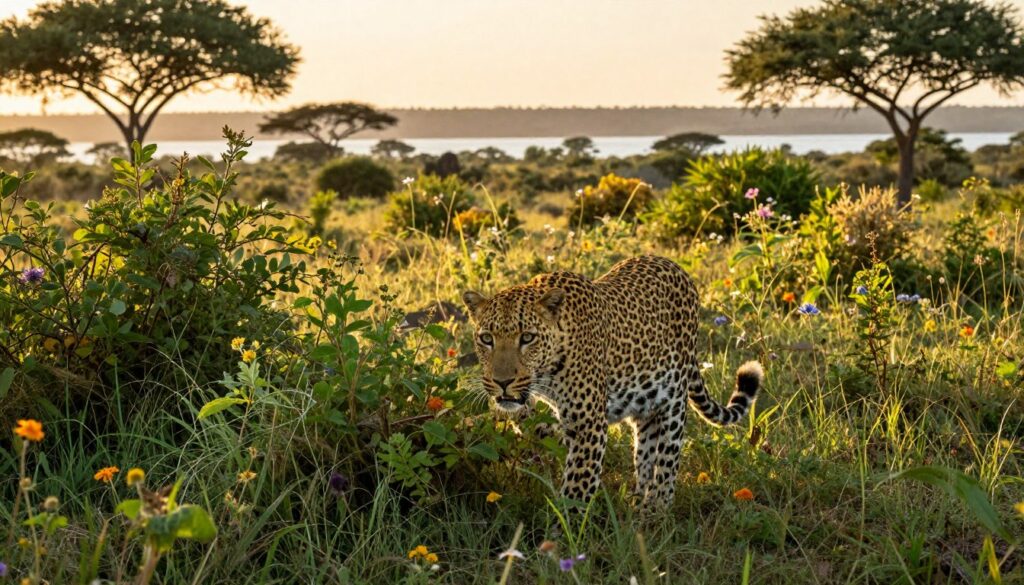
For over a decade, the vast savannas of Uganda were graced by a truly iconic predator. Grace became a symbol of the wild, captivating photographers and travelers alike with her elusive beauty.
Her presence turned the region into a bucket-list destination for wildlife enthusiasts. She was widely considered the most famous leopard uganda has ever known, leaving behind a legacy that continues to inspire conservation efforts today.
Exploring the untamed beauty of this region is a dream for many adventurers. If you are ready to witness the majesty of African wildlife firsthand, chimpsafari.com offers expert guidance to help you plan your perfect journey through these protected lands.
Key Takeaways
- The legacy of this iconic cat highlights the importance of wildlife conservation in Uganda.
- Travelers can explore the same habitats where this legendary predator once roamed.
- Planning a safari requires local expertise to ensure a safe and ethical experience.
- Chimpsafari.com provides tailored itineraries for those seeking authentic wildlife encounters.
- Uganda remains a premier destination for spotting rare and majestic big cats in the wild.
The Legacy of Grace the Leopard in Uganda
Grace the leopard, a majestic creature from Queen Elizabeth National Park, has left an indelible mark on Uganda’s conservation landscape. As an iconic figure, Grace the leopard symbolizes the beauty and resilience of Uganda’s wildlife. Her presence in the park not only captivated visitors but also played a significant role in promoting conservation awareness among locals and tourists alike.
For those interested in experiencing the rich wildlife of Uganda, including the majestic leopards like Grace, chimpsafari.com offers expert-led safaris in Queen Elizabeth National Park. These safaris provide a unique opportunity to witness the park’s biodiversity and understand the importance of conservation efforts.
Grace’s legacy extends beyond her own story, as she has become a symbol of the broader conservation efforts in Uganda. Her iconic status has inspired a new generation of wildlife enthusiasts and conservationists, highlighting the importance of protecting Uganda’s natural heritage.
The impact of Grace on Uganda’s wildlife conservation is multifaceted. She has not only drawn attention to the plight of leopards in the wild but has also underscored the importance of preserving their habitats. As such, Grace’s legacy serves as a reminder of the ongoing need for conservation efforts in Uganda’s national parks.
Understanding the Rip Grace Queen Elizabeth National Park leopard News
The passing of Grace, a renowned leopard in Queen Elizabeth National Park, has highlighted the importance of leopard conservation efforts in Africa. Grace was more than just an iconic figure; she represented the resilience and beauty of wildlife in Uganda’s premier national park.
Leopards, like Grace, face numerous challenges in the wild, including habitat loss, human-wildlife conflict, and poaching. The conservation status of leopards is a concern, with their populations declining in various parts of their range. Conservation efforts are crucial to protect these majestic animals and their habitats.
Queen Elizabeth National Park has been a stronghold for leopards, providing a habitat rich in biodiversity. The park’s diverse ecosystem supports a healthy prey base, which is essential for the survival of leopards. However, the park also faces challenges such as human-wildlife conflict and habitat fragmentation.
To address these challenges, several conservation strategies are being implemented:
- Habitat protection and restoration
- Community engagement and education
- Research and monitoring of leopard populations
- Conflict mitigation measures
As noted by conservation experts, “The loss of an iconic individual like Grace underscores the need for continued conservation efforts. It’s a reminder that every animal plays a vital role in the ecosystem.” Conservation initiatives are not just about protecting individual species but also about preserving the ecological balance.
The news surrounding Grace’s passing serves as a catalyst for renewed focus on leopard conservation in Africa. It emphasizes the importance of collaborative efforts between governments, NGOs, and local communities to protect wildlife and their habitats.
The Life and Times of a Famous Leopard in Uganda
The story of Grace, a famous leopard in Uganda, is one of resilience and adaptation. In the heart of Queen Elizabeth National Park, Grace lived a life that was both fascinating and instructive, offering insights into the world of these majestic creatures.
Early Years and Territory Establishment
Grace’s journey began like that of many other leopards, with a period of exploration and establishment of her territory. Her early years were marked by learning and survival, as she navigated the challenges of her environment and established herself as a formidable hunter.
As she grew, Grace’s territory became well-defined, with her marking trees and regularly patrolling her domain. This territorial behavior is crucial for leopards, as it helps them maintain their space and reduce conflicts with other leopards.
Grace as a Symbol of Wildlife Resilience
Grace’s story is not just about her individual life; it symbolizes the resilience of wildlife in the face of adversity. Despite the challenges posed by habitat fragmentation and human-wildlife conflict, Grace thrived, embodying the adaptability and strength of leopards.
- Her ability to coexist with humans, when necessary, highlighted the potential for peaceful cohabitation.
- Grace’s presence in the park also underscored the importance of conservation efforts, demonstrating the positive impact of protected areas on wildlife.
- The fascination with Grace among tourists and locals alike showed how iconic individuals can inspire a broader appreciation for nature and conservation.
Grace’s legacy continues to inspire those who follow her story, serving as a reminder of the beauty and complexity of wildlife. Her life in Queen Elizabeth National Park will remain an important part of Uganda’s wildlife story, highlighting the need for continued conservation and protection of these incredible animals.
The Role of Queen Elizabeth National Park in Leopard Conservation
Queen Elizabeth National Park plays a pivotal role in leopard conservation efforts in Africa. As one of Uganda’s most renowned national parks, it provides a vital habitat for numerous species, including the majestic leopard.
Biodiversity and Habitat Protection
The park’s diverse ecosystems, ranging from savannahs to forests, support a wide variety of wildlife. This biodiversity is crucial for maintaining healthy leopard populations. The protection of their habitat within the park ensures that leopards have sufficient territory to hunt and breed.
The conservation efforts within Queen Elizabeth National Park are multifaceted, involving habitat protection, anti-poaching initiatives, and community engagement. These efforts not only benefit leopards but also contribute to the overall health of the ecosystem.
Key Conservation Strategies:
- Habitat restoration and protection
- Anti-poaching and anti-trafficking efforts
- Community-based conservation initiatives
Challenges Facing Predators in the Savannah
Despite the protected status of Queen Elizabeth National Park, leopards face numerous challenges. Human-wildlife conflict is a significant issue, as leopards occasionally venture outside the park’s boundaries.
| Challenge | Description | Impact on Leopards |
|---|---|---|
| Human-Wildlife Conflict | Leopards encroaching on human settlements | Risk of injury or death |
| Prey Base Decline | Decrease in prey populations due to poaching | Reduced food availability |
| Habitat Fragmentation | Division of habitat due to human activities | Increased competition for resources |
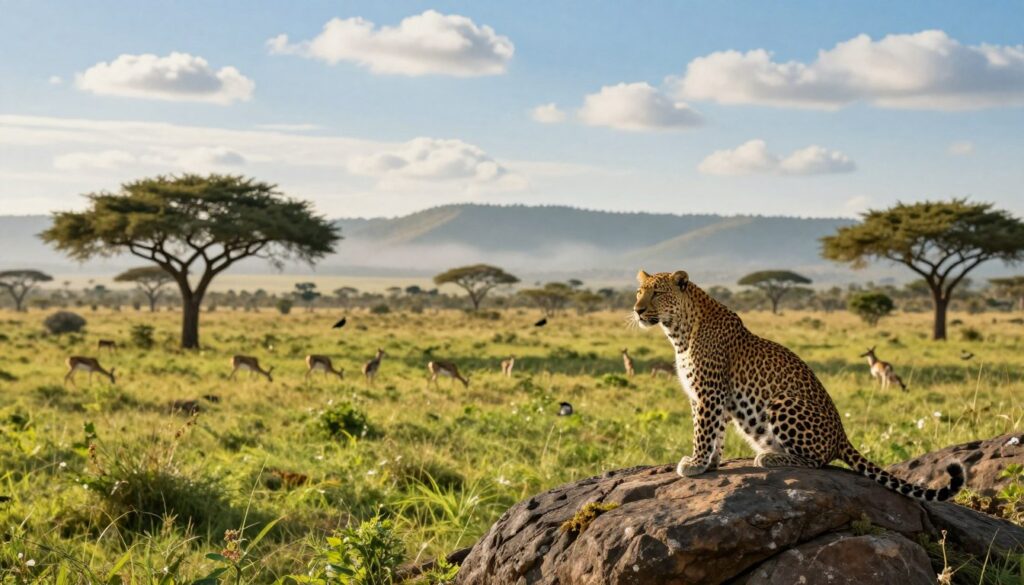
Documenting Wildlife Stories in Uganda
The narrative of Uganda’s wildlife is replete with stories of resilience and adaptation, as seen in the country’s conservation endeavors. One of the most compelling aspects of this narrative is the documentation of iconic individuals within the wildlife, such as Grace the leopard.
The Importance of Tracking Iconic Individuals
Tracking iconic individuals like Grace is crucial for understanding the behavior, habitat needs, and population dynamics of leopards in Uganda. By monitoring these individuals, researchers can gain insights into the broader health of the ecosystem.
Iconic individuals serve as ambassadors for their species, raising awareness about the challenges faced by leopards and the importance of conservation efforts. Their stories captivate the public and inspire support for protecting these magnificent creatures and their habitats.
How Researchers Monitor Leopard Populations
Researchers employ a variety of methods to monitor leopard populations, including camera traps, GPS tracking, and observational studies. Camera traps are particularly useful, providing visual data on leopard presence, activity patterns, and habitat use without the need for direct human observation.
By combining these methods, scientists can build a comprehensive picture of leopard ecology and identify areas where conservation efforts are most needed. This information is vital for developing effective strategies to protect leopard populations and their habitats.
The documentation of wildlife stories in Uganda, such as that of Grace the leopard, not only enriches our understanding of these animals but also underscores the importance of continued conservation efforts in the region.
The Impact of Grace on Local Tourism
Queen Elizabeth National Park has witnessed a surge in tourism, largely attributed to the allure of Grace, Uganda’s celebrated leopard. This increase in visitor numbers not only highlights the park’s rich biodiversity but also underscores the economic benefits that wildlife tourism brings to local communities.
Attracting Wildlife Enthusiasts to the Park
Grace, being one of the park’s most iconic residents, has become a major draw for wildlife enthusiasts and photographers. Her presence has encouraged many to visit the park, contributing to the local tourism industry. The park’s ability to support such iconic wildlife is a testament to its conservation efforts.
Current Trends in Big Cat Protection
Leopard conservation in Africa is witnessing a shift towards more integrated strategies that include habitat protection, human-wildlife conflict mitigation, and research into leopard behavior and ecology. Protected areas like Queen Elizabeth National Park play a crucial role in this endeavor.
Experts emphasize the need for adaptive management plans that can respond to the changing environmental and socio-economic contexts. This includes leveraging technology for monitoring leopard populations and addressing human-leopard conflicts through community engagement.
Collaborative Efforts Between Government and NGOs
The role of collaboration between governments and NGOs is pivotal in leopard conservation. These partnerships facilitate the sharing of resources, expertise, and risk, leading to more effective conservation outcomes.
| Organization | Role in Conservation | Area of Operation |
|---|---|---|
| WWF | Habitat protection and research | Various African countries |
| IUCN | Conservation status assessment | Global, including Africa |
| Local NGOs | Community engagement and education | Specific regions within Africa |
These collaborative efforts are crucial for the long-term survival of leopards in Africa, ensuring that conservation strategies are both effective and sustainable.
Planning Your Own Wildlife Adventure with Chimpsafari.com
Chimpsafari.com offers expert-led safaris that bring you closer to the natural beauty of Queen Elizabeth National Park. With a focus on providing unforgettable experiences, Chimpsafari.com is the ideal partner for your Ugandan wildlife adventure.
Expert-Led Safaris in Queen Elizabeth National Park
Chimpsafari.com’s expert-led safaris are designed to maximize your wildlife viewing experience. Their knowledgeable guides are well-versed in the habits and habitats of the park’s diverse wildlife, including the elusive leopard.
By joining a Chimpsafari.com tour, you’ll benefit from:
- Guided game drives through the park’s diverse landscapes
- Insights into the behavior and ecology of Queen Elizabeth’s wildlife
- Opportunities to spot a wide range of animals, from large predators to unique bird species
Responsible Tourism Practices for Leopard Spotting
Chimpsafari.com is committed to responsible tourism practices that support the conservation of Queen Elizabeth National Park’s wildlife. By choosing Chimpsafari.com, you’re supporting efforts to protect the park’s leopard population and their habitats.
Responsible tourism practices include:
- Supporting conservation efforts through guided tours
- Promoting respect for wildlife and their habitats
- Minimizing environmental impact through eco-friendly tour operations
By planning your wildlife adventure with Chimpsafari.com, you’re not only ensuring an unforgettable experience but also contributing to the conservation of Uganda’s incredible wildlife.
Reflecting on the Loss of an Iconic Predator
The loss of Grace, a beloved leopard in Queen Elizabeth National Park, is a poignant reminder of the fragility of wildlife. As a famous leopard in Uganda, Grace captured the hearts of many with her elusive nature and majestic presence. Her passing leaves behind a legacy that underscores the importance of conservation efforts.
Grace the leopard was more than just an individual animal; she was a symbol of the resilience and beauty of Uganda’s wildlife. Her story highlights the challenges faced by predators in savannah ecosystems, from habitat loss to human-wildlife conflict. The impact of her loss is felt not just within the park but also among the communities and tourists who revered her.
Reflecting on Grace’s life and legacy, it becomes clear that protecting iconic predators is crucial for maintaining biodiversity. It is a call to action for continued conservation efforts, ensuring that future generations can experience the wonder of seeing such magnificent creatures in their natural habitat.
The story of Grace serves as a reminder of the interconnectedness of species and ecosystems. As we move forward, it is essential to build on the foundations laid by conservationists and continue to support initiatives that protect our planet’s precious wildlife.
Future Outlook for Leopards in the Region
As we look ahead, the conservation of leopards in the region remains a pressing concern. The future of these majestic creatures depends on our ability to protect their habitats and address the challenges they face.
Ongoing conservation efforts are crucial for the survival of leopards. In Queen Elizabeth National Park, various initiatives are underway to monitor and research leopard populations.
Ongoing Monitoring and Research Initiatives
Research initiatives in Queen Elizabeth National Park focus on understanding leopard behavior, habitat use, and population dynamics. These studies inform conservation strategies and help in developing effective management plans.
- Monitoring leopard populations through camera traps and tracking
- Studying habitat use and preferences
- Analyzing human-leopard conflict data
Such initiatives are vital for leopard conservation Africa, as they provide insights into the ecological needs of leopards and help mitigate human-wildlife conflict.
Protecting Corridors for Wildlife Movement
Protecting corridors for wildlife movement is essential for maintaining genetic diversity among leopard populations. These corridors enable leopards to move freely between habitats, ensuring the long-term health of the population.
Conservation efforts in Queen Elizabeth National Park and surrounding areas are critical for the future of leopards. By supporting Queen Elizabeth National Park leopard conservation, we can work towards a future where these magnificent animals continue to thrive.
Conclusion
The story of Grace the leopard in Queen Elizabeth National Park is a testament to the rich uganda wildlife and the importance of conservation efforts in the region. As a symbol of wildlife resilience, Grace’s legacy continues to inspire efforts to protect and preserve the natural habitats of iconic predators.
Operators like chimpsafari.com play a vital role in promoting responsible tourism practices, supporting conservation initiatives, and sharing the wildlife story uganda with the world. By engaging with local communities and supporting conservation efforts, tourists can contribute to the long-term protection of Uganda’s incredible biodiversity.
As we reflect on the significance of Grace’s story, it is clear that continued conservation efforts are crucial to ensuring the future of leopards and other wildlife in the region. By working together, we can protect the natural heritage of Uganda and preserve the beauty and wonder of its wildlife for generations to come.